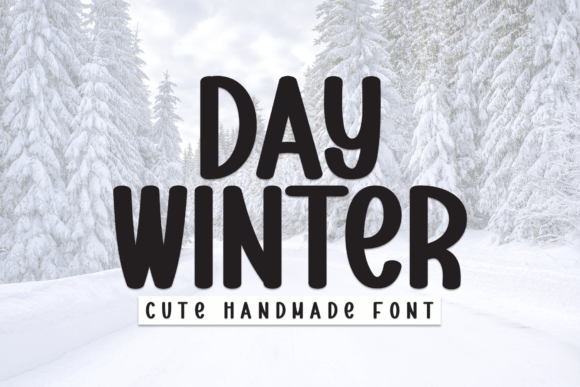
Day Winter: A Clean, Approachable Display Font for Modern Design
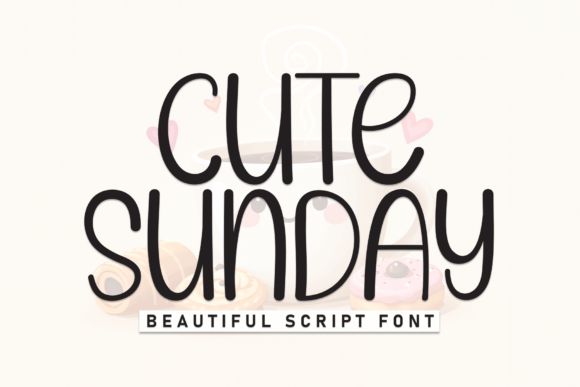
Day Winter is a casual yet refined display font that blends the warmth of handwriting with the clarity of modern typography. Its clean lines, balanced letterforms, and gently rounded edges make it stand out as a versatile choice for a wide range of design applications. Whether used in branding, packaging, or digital content, Day Winter offers a friendly and polished aesthetic that appeals to designers seeking both simplicity and personality.
What Sets Day Winter Apart
Unlike many casual display fonts that lean heavily into whimsy or irregularity, Day Winter maintains a level of structure and consistency that enhances readability. This makes it especially effective for short-form text such as headlines, logos, and promotional material where legibility and visual appeal are equally important.
Its subtle rounded corners and even spacing contribute to a soft, approachable look without sacrificing professionalism. Designers who want a modern handwritten feel but need to maintain a clean, organized layout often find Day Winter to be a balanced option.
Comparing Day Winter to Similar Fonts
When evaluating casual display fonts, Day Winter sits comfortably between highly stylized handwritten fonts and more rigid sans-serif or serif typefaces. It shares some visual traits with brush scripts and handwriting-inspired fonts, but avoids the uneven strokes and inconsistent baseline that can make those styles less suitable for formal or structured layouts.
Compared to minimalist sans-serif fonts, Day Winter introduces a human touch without compromising clarity. It’s not as stark or utilitarian, which makes it better suited for projects that require warmth and personality. However, this also means it may not be the best fit for highly technical or data-driven content where neutrality and precision are key.
Strengths of Day Winter
- Warm and inviting appearance that works well for lifestyle, wellness, and creative brands.
- High readability at a range of sizes, especially in headlines and subheadings.
- Versatile enough for both print and digital formats, including social media graphics and packaging design.
- Polished finish that avoids the overly casual or messy look of some handwritten fonts.
Potential Tradeoffs
- Not ideal for long-form body text due to its display-oriented design.
- Limited character set in some versions may affect multilingual or extended use.
- May feel too informal for corporate, legal, or academic contexts.
When Day Winter Is the Right Choice
Day Winter excels in design scenarios where a human, approachable tone is desired without straying too far from structure. It’s a strong candidate for branding materials in industries like food and beverage, lifestyle, wellness, and education, where warmth and clarity are both important.
For example, a coffee shop looking to design packaging and social media assets might find Day Winter’s balance of friendliness and professionalism ideal. Similarly, a personal blog or small business website aiming for a clean yet personable look could benefit from using Day Winter in headers and call-to-action buttons.
When to Consider Alternatives
If a project requires extreme legibility across long blocks of text or needs to maintain a formal tone, other font categories may be more appropriate. In such cases, serif or sans-serif fonts designed for body copy—like Georgia, Lato, or Open Sans—might be better suited.
Designers working on projects that require a bold, attention-grabbing aesthetic might also explore more stylized display fonts. These alternatives often have stronger visual identities but may sacrifice some of the readability and subtlety that Day Winter provides.
Practical Use Cases and Comparisons
Let’s consider a few real-world design applications to illustrate where Day Winter fits well:
- Logo Design: A boutique bakery might use Day Winter to convey warmth and craftsmanship. Compared to a script font with dramatic flourishes, Day Winter offers cleaner lines and a more contemporary feel.
- Social Media Graphics: Influencers and small businesses often rely on fonts that feel personable yet professional. Day Winter strikes a balance between casual and curated, making it effective for Instagram stories and promotional posts.
- Product Packaging: In the natural skincare industry, where organic and handmade aesthetics are valued, Day Winter can help reinforce a brand’s approachable and trustworthy image.
Design Compatibility and Pairing Options
Day Winter pairs well with neutral sans-serif or slab-serif fonts, allowing for a clear visual hierarchy. For example, using Day Winter for headlines alongside a clean sans-serif like Montserrat or Roboto for body text creates a balanced and modern layout.
Its soft curves also complement geometric or minimalist design elements, making it a good fit for contemporary layouts that avoid excessive ornamentation. Designers should be cautious when pairing it with other highly stylized fonts, as this can lead to visual clutter and reduce overall readability.
Accessibility and Technical Considerations
From a technical standpoint, Day Winter performs well across most design software and web platforms. However, users should verify that the version they are using includes necessary glyphs and supports required languages. Some variations may lack extended character sets or OpenType features, which could be a limitation for international projects.
Accessibility-wise, Day Winter is best used at medium to large sizes where its rounded edges and open spacing contribute to legibility. It should be used with sufficient contrast and spacing to ensure readability, particularly in digital environments where screen resolution can affect clarity.
Making an Informed Decision
Choosing a font like Day Winter requires balancing aesthetic appeal with functional needs. It’s well-suited for designers who want to inject personality into their work without compromising on clarity or structure. However, its suitability depends on the specific context, medium, and audience expectations.
Before committing to Day Winter, consider testing it in different applications and comparing it with alternatives. Look at how it performs in real-world use, from print samples to on-screen previews. This practical evaluation can help ensure that the font supports both the visual identity and the usability of the final design.