Horror Killer: A Unique Typeface for Bold, Cinematic Design Projects
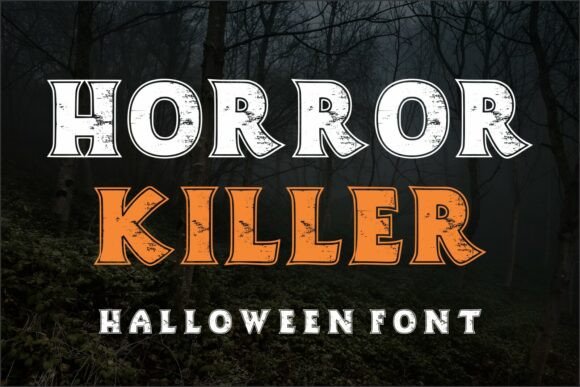
Typography plays a critical role in visual communication, especially when it comes to setting tone and evoking emotion. Horror Killer stands out as a distinctive display typeface that merges the structured elegance of classic slab serifs with the raw, textured aesthetics of grunge design. This combination makes it particularly well-suited for projects that aim to blend nostalgia with a bold visual punch.
Unlike standard slab-serif fonts that prioritize clarity and readability, Horror Killer introduces a worn, weathered surface that adds depth and character. This design choice gives it a cinematic quality, reminiscent of retro film posters and vintage marquee signs. It’s not just about legibility—it’s about creating a mood, telling a story, and capturing attention in a way that few other typefaces can achieve.
What Makes Horror Killer Unique?
At its core, Horror Killer is a display font, meaning it’s best used for headlines, titles, and short bursts of text rather than body copy. Its slab-serif foundation provides a strong, grounded structure, while the distressed textures overlay a sense of age and authenticity. This dual nature allows it to function effectively in both vintage and contemporary design contexts, depending on how it’s applied.
One of the defining characteristics of Horror Killer is its tactile quality. The rough, uneven edges mimic the look of ink bleed or weathered paint, giving the typeface a three-dimensional feel. This effect can enhance the visual storytelling of a design, especially in media that relies on atmosphere—such as horror movie posters, event flyers, or themed branding materials.
How Horror Killer Compares to Similar Typefaces
When compared to other distressed or grunge-style fonts, Horror Killer strikes a balance between readability and texture. Some fonts in this category lean heavily into the “rough” aesthetic, to the point where letters become difficult to distinguish. Horror Killer maintains a level of legibility while still delivering a strong visual impact, making it more versatile for practical use.
In contrast to cleaner slab-serif fonts like Rockwell or Clarendon, Horror Killer introduces a layer of visual complexity that can make designs feel more dynamic and expressive. It’s this middle ground between structure and chaos that makes it a compelling option for designers looking to evoke a sense of history or nostalgia without sacrificing clarity.
Strengths and Limitations of Horror Killer
One of the primary strengths of Horror Killer is its ability to command attention. In environments where visual noise is high—such as digital banners, print advertisements, or product packaging—this font helps content stand out. Its cinematic roots also make it a natural fit for entertainment-related projects, especially those with a retro or horror theme.
However, like any specialized typeface, Horror Killer has its limitations. It’s not ideal for long-form text or small-scale applications due to its textured nature, which can make it harder to read at smaller sizes. Additionally, its strong visual presence means it may overwhelm more minimalist designs or clash with overly ornate layouts.
Best Use Cases for Horror Killer
Designers working on the following types of projects often find Horror Killer to be a valuable asset:
- Film and event posters: Its retro marquee influence makes it perfect for horror film titles, concert posters, and themed event promotions.
- Vintage branding: Brands aiming for a nostalgic or handcrafted aesthetic can use Horror Killer to reinforce their identity across packaging, logos, and promotional materials.
- Editorial headlines: In magazines or online publications with a bold visual style, Horror Killer can be used to create impactful headlines that draw readers in.
- Merchandise and packaging: From T-shirts to beverage cans, this typeface adds a dramatic flair that resonates with niche audiences.
These applications benefit from the font’s ability to convey mood and personality without requiring excessive design support. In many cases, simply using Horror Killer as the primary typographic element is enough to create a strong visual identity.
When to Consider Alternatives
While Horror Killer is a powerful design tool, there are situations where it may not be the best choice. For example:
- If the project requires a more refined or professional tone, such as corporate branding or academic publishing, a cleaner slab-serif or sans-serif font would be more appropriate.
- When designing for accessibility, especially in digital environments, the textured nature of Horror Killer may interfere with screen readability for some users.
- In multilingual contexts, designers should check whether Horror Killer supports all necessary characters and diacritics, as some decorative fonts have limited language support.
Additionally, if the goal is to create a subtle or understated design, Horror Killer’s bold presence might not align with the intended aesthetic. In such cases, exploring more neutral or minimalist typefaces would likely yield better results.
Design Tips for Using Horror Killer Effectively
To get the most out of Horror Killer, consider the following best practices:
- Pair with simpler fonts: Since Horror Killer is a strong visual element, it works best when paired with clean sans-serif or serif fonts that provide contrast without competing for attention.
- Use sparingly: Because of its textured appearance, it’s best reserved for headlines, titles, or accents rather than body text or lengthy paragraphs.
- Test at different sizes: Before finalizing a design, check how Horror Killer appears at various scales to ensure readability, especially in print or on mobile devices.
- Consider color and background: The font’s weathered look can be enhanced or subdued depending on the color palette and background texture used.
These strategies help maintain the font’s impact while ensuring it integrates smoothly into the overall design composition.
Conclusion: Is Horror Killer Right for Your Project?
Ultimately, the decision to use Horror Killer depends on the specific needs of your design and the message you want to convey. If your project calls for a bold, cinematic aesthetic with a touch of nostalgia and grit, Horror Killer can be an excellent choice. However, if clarity, subtlety, or accessibility are top priorities, exploring alternative typefaces may be more appropriate.
As with any design decision, context is key. By understanding the strengths and limitations of Horror Killer—and how it compares to other available options—you can make a more informed choice that aligns with your creative goals and audience expectations.