Natural Memory: A Distinctive Display Font for Creative Typography
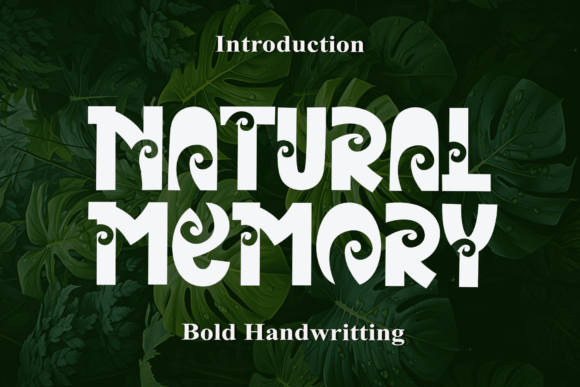
When selecting a font for a creative project, the right typeface can elevate a design from ordinary to memorable. Natural Memory stands out as a display font that blends organic texture with a handcrafted aesthetic. Unlike many digital fonts that prioritize clean lines and uniformity, Natural Memory embraces subtle imperfections that evoke a sense of warmth and authenticity. This makes it particularly effective in designs where a human touch or nostalgic feel is desired.
What Sets Natural Memory Apart
Natural Memory is not just another decorative font; it’s designed with intention. Its letterforms exhibit a slight irregularity that mimics natural handwriting or brush lettering. This characteristic adds visual interest without overwhelming the message. The font’s texture and spacing are carefully balanced to ensure readability at larger sizes while maintaining a soft, approachable tone.
What makes it distinct is its ability to convey personality without sacrificing legibility. Many display fonts lean heavily into stylization, which can limit their usability. Natural Memory, however, strikes a middle ground. It’s ideal for titles, logos, and short-form text where a unique visual identity matters but clarity remains important.
Comparing Natural Memory to Similar Fonts
Within the category of display fonts, there are numerous options that aim to replicate a hand-drawn or textured look. Some fonts lean toward a grunge or distressed style, while others mimic calligraphy or ink-based lettering. Natural Memory differentiates itself by avoiding excessive ornamentation. It maintains a subtle, organic texture that feels intentional rather than chaotic.
For example, fonts that simulate chalkboard writing or spray-painted graffiti often work well in edgy or urban-themed designs but may not translate effectively to more refined or minimalist projects. In contrast, Natural Memory’s softness and consistency make it adaptable across a broader range of creative applications, from wedding invitations to boutique branding.
Strengths and Limitations
One of the key strengths of Natural Memory is its versatility within the display font category. It performs well in both print and digital formats, especially when used for headings, quotes, or branding elements. Its textured appearance adds depth without compromising readability, making it a solid choice for designers who want to convey warmth and authenticity without sacrificing professionalism.
However, like any display font, Natural Memory has its limitations. It is not well-suited for long-form body text due to its stylistic flourishes and variable spacing. Additionally, its effectiveness can depend on the surrounding design elements. Pairing it with overly complex visuals may cause the text to blend in rather than stand out. Designers should also consider the overall tone of their project—Natural Memory works best in contexts that benefit from a personal, handcrafted feel.
When to Choose Natural Memory
Natural Memory shines in creative projects that call for a sense of nostalgia, warmth, or artisanal quality. It’s particularly effective for:
- Wedding invitations and event branding
- Boutique or artisan product packaging
- Personal blogs or lifestyle brands
- Quotes and inspirational graphics
- Logo designs with a soft, approachable tone
In these contexts, the font’s texture and organic look enhance the emotional resonance of the design. It also pairs well with neutral color schemes and natural materials like wood, paper, or linen, reinforcing a cohesive aesthetic.
When to Consider Alternatives
While Natural Memory offers a unique visual style, it may not be the best fit for every project. If the design requires a more modern, minimalist, or high-contrast appearance, alternatives like clean sans-serif or bold serif fonts might be more appropriate. Similarly, for branding that needs to project authority or precision—such as in legal or financial sectors—display fonts with a more structured appearance would be a better match.
Designers should also consider technical constraints. For instance, if a project involves extensive use of non-Latin characters or requires tight spacing for small signage, Natural Memory may not provide the flexibility needed. In such cases, exploring fonts with broader language support or tighter kerning options would be advisable.
Practical Comparisons and Real-World Use
To illustrate how Natural Memory functions in real-world applications, consider its use in a boutique coffee shop’s branding. When used for signage or packaging, the font’s soft, textured appearance complements rustic or eco-friendly themes. It pairs well with warm color palettes and organic shapes, reinforcing the brand’s commitment to natural ingredients and artisanal quality.
In contrast, a tech startup aiming for a sleek, modern image would likely opt for a minimalist sans-serif. The difference in tone and visual language makes each font more suitable for its respective audience. This highlights the importance of aligning typographic choices with brand identity and target demographic.
Design Tips for Using Natural Memory
For best results, consider the following when incorporating Natural Memory into a design:
- Use it sparingly: Reserve it for headlines, logos, or accents rather than body text.
- Pair with complementary fonts: Combine with simple sans-serif or serif fonts to maintain balance and readability.
- Test in context: Preview the font in the intended environment to ensure it remains legible and visually distinct.
- Adjust spacing: Kerning and tracking may need fine-tuning depending on the size and medium.
- Consider texture interaction: If the background has a pattern or texture, ensure the font remains the visual focal point.
Final Thoughts
Natural Memory is a thoughtful choice for designers seeking a display font that balances personality with readability. Its textured, handcrafted appearance sets it apart from more clinical or stylized alternatives, making it a versatile option for a wide range of creative projects. However, like any design element, its effectiveness depends on context, audience, and overall visual strategy. By understanding its strengths and limitations, designers can make informed decisions that enhance their work without compromising clarity or professionalism.