Jahat Font: A Bold Choice for High-Impact Design
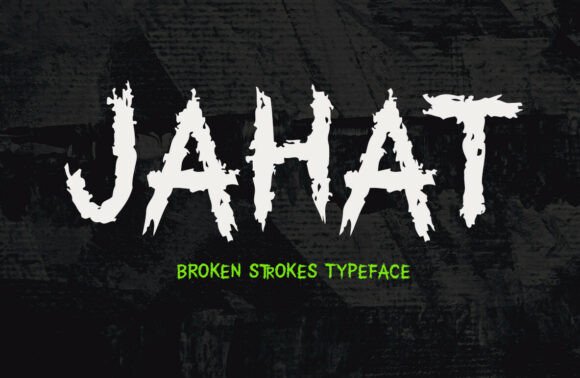
Jahat is a distinctive display font that immediately commands attention. Designed with a chaotic aesthetic, it features broken strokes, jagged edges, and fractured lines that convey a sense of instability and menace. Unlike traditional fonts that prioritize readability and symmetry, Jahat embraces disorder, making it ideal for specific design contexts where visual intensity is key. Each character appears as if it has been dismantled and reassembled with deliberate aggression, creating a unique typographic presence that stands out in the right applications.
Why Designers Consider Jahat
Designers often seek fonts that can communicate a specific mood or theme without requiring additional visual elements. Jahat achieves this through its raw, aggressive appearance. It appeals to those working on projects that require a sense of rebellion, darkness, or raw energy. Its aesthetic aligns well with genres such as horror, heavy metal, or dystopian themes, where a conventional font would fail to evoke the necessary emotional response.
Because of its dramatic visual impact, Jahat is frequently considered for use in movie posters, album covers, and branding materials for niche markets. It’s also a popular option for Halloween promotions, dark-themed invitations, and alternative fashion branding where a bold, unconventional typographic style enhances the overall design narrative.
Key Features of Jahat
- PUA Encoding: Jahat is PUA-encoded, allowing users to access all alternate characters, ligatures, and swashes without requiring special software. This makes customization more straightforward, especially for designers using design applications that support PUA-encoded fonts.
- High Visual Contrast: The font’s irregular shapes and sharp edges create a strong contrast against clean backgrounds, helping text stand out even in minimalist layouts.
- Chaotic Rhythm: The uneven spacing and jagged contours contribute to a dynamic, unpredictable rhythm that adds visual energy to any composition.
When Jahat Excels
Jahat performs best in contexts where typographic impact is more important than readability. It works exceptionally well in:
- Horror and Thriller Posters: The font’s menacing structure enhances the eerie or suspenseful tone of promotional materials.
- Metal Band Logos: Its aggressive appearance aligns with the visual language of heavy metal genres, where intensity and rebellion are central themes.
- Alternative Branding: Brands that want to project a dark, edgy, or non-conformist identity can benefit from using Jahat in logos or promotional graphics.
- Print and Digital Collateral: Flyers, social media graphics, and merchandise designs that rely on shock value or visual contrast often incorporate Jahat for dramatic effect.
When to Consider Alternatives
Despite its visual strength, Jahat is not suitable for every design scenario. It should be avoided in contexts where clarity, legibility, and professionalism are priorities. Long-form text, user interfaces, and formal branding materials typically require fonts with greater readability and less visual disruption.
Designers should also consider alternatives when:
- Accessibility is a concern: Jagged, broken fonts can be difficult to read for users with visual impairments.
- Multi-platform consistency is required: Some display fonts may not render consistently across different devices or software applications.
- Broader audience appeal is necessary: If the design needs to resonate with a general audience rather than a niche group, more neutral or widely accepted fonts may be more effective.
Practical Considerations for Using Jahat
Before integrating Jahat into a design project, it’s important to evaluate how well it aligns with the intended message and audience. Here are several practical questions to consider:
- What is the primary goal of the design? If the goal is to evoke a strong emotional response or convey a specific thematic tone, Jahat may be a strong fit.
- How will the text be used? For short headlines, logos, or titles, Jahat works well. However, it should not be used for body text or extended reading.
- Is the font compatible with your tools? Confirm that your design software supports PUA-encoded fonts to ensure access to all stylistic features.
- Have you tested readability? Even if legibility isn’t the main concern, it’s still important to ensure that the text remains recognizable at different sizes and on various backgrounds.
- Destroy: Offers a more industrial, mechanical edge compared to Jahat’s organic chaos.
- Bloodthirst: Features blood-like drips and stains, making it ideal for horror-themed designs with a visceral aesthetic.
- Grindstone: Combines sharp edges with a more structured layout, offering a slightly more readable alternative without sacrificing intensity.
Comparing Jahat to Similar Fonts
Several fonts share visual traits with Jahat, including Destroy, Bloodthirst, and Grindstone. These fonts also feature broken, aggressive letterforms and are commonly used in similar design contexts. However, each has its own unique characteristics:
Designers should compare these fonts in real-world mockups to determine which best supports their project’s goals.
Final Thoughts: Is Jahat Right for Your Project?
Jahat is a powerful typographic tool for designers aiming to create high-impact, emotionally charged visuals. Its chaotic design language and PUA-encoded flexibility make it a compelling choice for specific niches, particularly within the horror, metal, and alternative design spaces. However, its aggressive appearance also limits its usability in more conventional or functional contexts.
If your project requires a font that commands attention and conveys a sense of rebellion, corruption, or chaos, Jahat is worth serious consideration. On the other hand, if your design demands readability, accessibility, or broad appeal, exploring alternative fonts with a more balanced aesthetic may be the better choice.
Ultimately, the decision to use Jahat should be based on how well its visual characteristics align with your creative goals and target audience. As with any design decision, testing and iteration are key to ensuring that the final outcome meets both aesthetic and functional expectations.