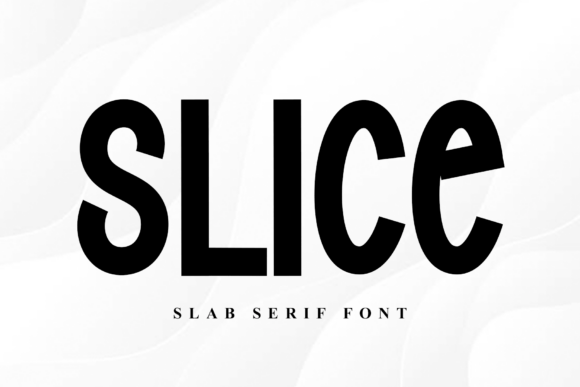
Slice Font: A Minimalist Choice for Versatile Design Projects
Slice is a minimalist, clean typeface designed to offer clarity and adaptability across a range of creative applications. Its neat structure and unobtrusive aesthetic make it an appealing option for designers seeking a font that can integrate seamlessly into diverse visual contexts without overshadowing the overall design.
Why Consider Slice?
Designers often look for fonts that balance functionality with visual appeal. Slice achieves this by prioritizing legibility and simplicity. Its geometric foundation and consistent stroke widths allow it to perform well in both digital and print formats. Whether used in branding, editorial design, or web interfaces, Slice maintains a professional and contemporary presence.
Key Benefits of Using Slice
- Adaptability: Slice integrates well with various design styles, from modern and tech-oriented to minimalist and elegant.
- Readability: Designed with clear letterforms, it ensures readability even at smaller sizes, making it suitable for body text and headings alike.
- Visual Consistency: The font maintains a uniform rhythm, contributing to a cohesive and polished appearance in multi-line text settings.
Tradeoffs and Considerations
While Slice is a strong contender in the realm of minimalist typography, it may not be ideal for every project. Its clean and understated look can sometimes lack the personality needed for expressive or artistic designs. Additionally, designers who require a wide range of stylistic alternates or extended language support should verify if Slice meets those specific needs before committing to its use.
When Slice Excels
Slice shines in environments where clarity and simplicity are key. It works especially well in:
- Corporate branding: Offers a clean, professional tone suitable for logos, reports, and presentations.
- User interfaces: Its legibility supports usability in digital applications and mobile platforms.
- Editorial design: Functions well in magazines, newsletters, and online articles where readability is essential.
When to Explore Alternatives
If your project requires a bold, decorative, or historically inspired typeface, you may find Slice too restrained. Similarly, if your design calls for a strong visual identity that relies heavily on typographic flair, other fonts with more distinctive characteristics might serve your goals better. In such cases, exploring slab serifs, script fonts, or high-contrast sans-serif options could yield more effective results.
Practical Insights for Choosing Slice
When evaluating Slice for your next project, consider the following factors:
- Project tone: Does your design require a neutral, modern font or something more expressive?
- Medium: Will the font be used primarily on screen, in print, or both? Slice performs well in digital contexts but should be tested in your intended format.
- Accessibility: Check contrast and sizing requirements to ensure legibility for all users.
- Licensing: Confirm that the font’s licensing model aligns with your intended usage, especially for commercial or web-based applications.
Final Thoughts
Slice is a well-crafted, minimalist font that delivers on both readability and aesthetic coherence. Its ability to adapt to a wide array of design scenarios makes it a practical choice for professionals seeking a reliable typographic solution. However, like any design element, its suitability depends on the specific context and goals of your project. By aligning the qualities of Slice with your creative and functional requirements, you can make a more informed decision about whether it’s the right fit for your work.