Malibu Sunday: A Graceful Script Font for Elegant Design Projects
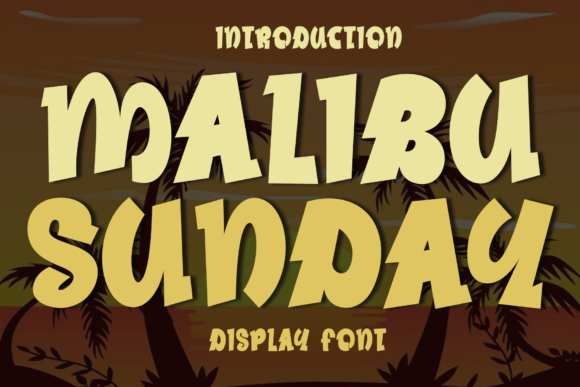
When it comes to choosing a script font that blends charm with readability, Malibu Sunday stands out as a compelling option. This beautifully flowing typeface mimics the natural rhythm of handwriting, offering a sense of warmth and personality that many digital fonts lack. Designed with smooth curves and a relaxed posture, it’s particularly well-suited for projects that call for a touch of elegance without appearing overly formal.
Distinctive Features of Malibu Sunday
What sets Malibu Sunday apart from many other script fonts is its balance between fluidity and legibility. Unlike overly decorative scripts that can become difficult to read in longer passages, this font maintains clarity even at smaller sizes. Its natural stroke variation and subtle bounce give it a rhythmic, almost musical quality that enhances visual appeal.
The font’s design incorporates ligatures and alternate characters that allow for a more organic appearance, mimicking the way letters connect in real handwriting. These features make it especially effective in design contexts where authenticity and craftsmanship are key, such as wedding stationery, personal logos, or artisanal product packaging.
Comparing Malibu Sunday to Similar Script Fonts
While there are many script fonts available—ranging from formal calligraphy styles to casual brush scripts—Malibu Sunday occupies a middle ground. It’s less ornate than fonts like Great Vibes or Allura, which are often used in traditional wedding invitations, yet more refined than casual brush scripts like Pacifico or Lobster.
One key difference lies in its character set. Many script fonts offer limited support for uppercase or lowercase variations, but Malibu Sunday provides a more balanced range, allowing designers to create visually cohesive compositions without needing to pair it with another font for contrast or structure.
Strengths and Best-Fit Applications
- Wedding and Event Design: The soft, flowing lines of Malibu Sunday make it a popular choice for save-the-dates, invitations, and thank-you cards.
- Personal Branding: Entrepreneurs and creatives often use this font in logos or social media graphics to convey approachability and refinement.
- Packaging and Label Design: Its elegant yet accessible appearance works well for boutique labels, greeting cards, and lifestyle product packaging.
Tradeoffs and Considerations
Despite its many strengths, Malibu Sunday may not be the best choice for every design scenario. Because of its flowing, script nature, it can be less readable in dense blocks of text or at very small sizes. It also carries a distinct aesthetic that leans toward the romantic and whimsical—this may not align with more modern or minimalist design directions.
Designers should also consider how well it pairs with complementary fonts. While Malibu Sunday is visually appealing on its own, it often benefits from being paired with a clean sans-serif or a classic serif to provide contrast and structure within a layout.
When to Choose Malibu Sunday—and When to Look Elsewhere
If your project calls for a warm, expressive font that feels personal and handcrafted, Malibu Sunday is a strong contender. It’s especially effective when used in contexts where emotional resonance and visual softness are important—think romantic quotes, handwritten-style captions, or branding for wellness and lifestyle businesses.
However, if your design needs a more structured or contemporary feel, or if you’re working with technical or formal content, you may want to explore other options. For example, a clean serif like Playfair Display or a modern sans-serif like Montserrat could offer better readability and visual alignment in such cases.
Practical Examples and Use Case Comparisons
Consider a wedding invitation layout. Using Malibu Sunday for the couple’s names and event title gives a sense of intimacy and elegance. Pairing it with a simpler font like Lora or Open Sans for the body text ensures readability while maintaining a cohesive visual tone.
In contrast, if you're designing a tech startup’s branding, Malibu Sunday might not convey the right message. A sleek, minimalist typeface would better reflect innovation and professionalism in that context.
Designing with Malibu Sunday: Tips for Best Results
- Use it for short-form text: Headlines, quotes, and accent text benefit most from the font’s expressive qualities.
- Pair with contrasting fonts: Combine with a geometric sans-serif or a traditional serif to create visual balance.
- Adjust spacing carefully: Kerning and tracking can significantly impact how the font reads—especially in print or at larger sizes.
- Test for legibility: Always preview the font in the intended context to ensure it remains readable and effective.
Exploring Alternatives Based on Design Needs
While Malibu Sunday offers a unique combination of elegance and approachability, there are several other script fonts worth considering depending on the specific design goals:
- For a more formal look: Consider using a calligraphic font like Allura or Sacramento.
- For a casual, modern vibe: Fonts like Pacifico or Kaushan Script provide a more energetic appearance.
- For increased legibility: A hybrid script like Dancing Script or Handlee might be a better fit for longer passages.
Each of these alternatives has its own strengths and limitations, so the best choice depends on the intended use, tone, and overall design direction.
Final Thoughts on Choosing the Right Script Font
Selecting the right script font is more than just a matter of aesthetics—it’s about matching the tone and function of your design. Malibu Sunday excels in situations where warmth, elegance, and a personal touch are desired. However, like any design tool, it works best when used thoughtfully and in the right context.
By understanding its unique qualities and how it compares to other script fonts, you can make a more informed decision that supports your creative goals. Whether you’re designing for print, digital media, or brand identity, taking the time to evaluate font choices ensures your final product communicates exactly the message you intend.