Marshmelt: Integrating Playful Typography Into Design Workflows
Typography plays a critical role in shaping how messages are perceived, especially in branding, marketing, and creative design. Marshmelt, a soft and playful display font duo, brings a unique combination of warmth and visual appeal to digital and print projects. Its design—inspired by the soft, rounded edges of a marshmallow—makes it a standout choice for creators aiming to convey charm, friendliness, and creativity.
Understanding Marshmelt’s Design and Structure
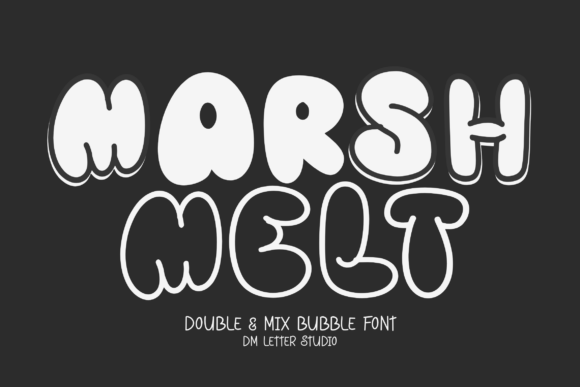
Marshmelt comes in two distinct styles: Regular and Outline. These two versions are designed to complement each other, offering flexibility in how they can be applied across different media. The Regular style provides a solid, bold presence, ideal for primary headlines or statements that need to stand out. The Outline version, on the other hand, introduces a lighter, more decorative touch, perfect for layering or secondary text elements.
The rounded, puffy letterforms evoke a sense of playfulness and accessibility. This makes Marshmelt particularly effective in designs targeting younger audiences or those aiming to communicate a lighthearted tone. However, its versatility allows it to be used in more mature contexts where a touch of warmth is desired, such as in boutique branding or lifestyle content.
How Marshmelt Fits Into Creative Workflows
Incorporating Marshmelt into your design process can enhance both the aesthetic and emotional impact of your work. Whether you're designing a logo, packaging, social media content, or merchandise, this font duo offers a practical and visually engaging solution.
Before starting a design project, it’s helpful to consider how typography will support the overall message and visual identity. Marshmelt’s dual-style format allows for experimentation during the concept phase. For instance, you might sketch out ideas using the Outline version to gauge spacing and visual balance before committing to the solid Regular style for emphasis.
During the design execution phase, Marshmelt’s compatibility with both Mac and Windows systems ensures smooth integration into common design tools like Adobe Illustrator, Photoshop, Canva, and Figma. This cross-platform support simplifies the workflow, especially when collaborating with others or moving between devices.
Layered Typography for Visual Depth
One of the standout features of Marshmelt is its ability to create layered text effects. By combining the Regular and Outline styles, designers can add depth and dimension to their typography without needing complex effects or additional assets.
- Use the Outline version as a background layer and overlay it with the Regular style in a contrasting color for a bold, dimensional effect.
- Apply subtle shadows or gradients to the Regular style to enhance its softness and make it pop against backgrounds.
- Experiment with spacing and alignment to maintain readability while emphasizing the playful character of the font.
This layered approach works especially well in poster designs, branding materials, and digital graphics where visual interest is key. It also helps maintain consistency across different media types, such as pairing a printed sticker with a corresponding digital ad.
Practical Use Cases for Marshmelt
While Marshmelt’s aesthetic is inherently playful, its practical applications span a variety of creative fields:
- Branding and Logos: Small businesses, especially those in lifestyle, wellness, or children’s products, can benefit from Marshmelt’s approachable tone. It works well for brand names, taglines, and supporting copy.
- Social Media Graphics: Platforms like Instagram and Pinterest thrive on visual content. Marshmelt’s soft, eye-catching style makes it ideal for captions, quotes, and promotional posts.
- Packaging and Merchandise: From food packaging to apparel, Marshmelt adds a tactile, friendly feel that resonates with consumers.
- Educational and Creative Projects: Teachers, bloggers, and crafters can use this font to make handouts, blog headers, and DIY materials more engaging and visually cohesive.
Integrating Marshmelt With Other Design Elements
For a balanced design, Marshmelt should be paired thoughtfully with complementary fonts and visual elements. Since it’s a display font, it’s best reserved for headlines, titles, and short text blocks rather than long-form content.
Pairing it with a clean sans-serif or a minimalist serif font for body text ensures readability and contrast. Additionally, Marshmelt works well with pastel color palettes, soft textures, and organic shapes, reinforcing its gentle and approachable character.
When used in branding or marketing materials, it’s important to maintain consistency across different touchpoints. Establish a clear typographic hierarchy using Marshmelt’s two styles to differentiate between headlines, subheadings, and supporting text. This not only improves visual flow but also strengthens brand recognition over time.
Installation and Usability Considerations
One of the advantages of Marshmelt is its ease of installation and use. Once downloaded, the font files can be installed directly onto your system, making them available across design applications. This seamless integration is especially useful for professionals who switch between multiple design tools or collaborate with others.
For teams or clients who may not have access to the font, it’s a good practice to either provide the font files or convert text to outlines before exporting final designs. This ensures that the visual integrity remains intact, regardless of the device or software used to view the file.
Maintaining Quality and Consistency
As with any design asset, consistency is key when using Marshmelt across different media. Establish a usage guide that outlines how and when each style should be applied. This could include specifications for font sizes, spacing, color variations, and acceptable layering combinations.
Regularly review how Marshmelt performs in different contexts. For example, test how it appears on mobile screens versus printed materials, or how it holds up when scaled to different sizes. These small checks help maintain a polished and professional look across all deliverables.
Long-Term Value and Adaptability
Fonts are more than just stylistic choices—they’re tools that influence how audiences perceive and connect with content. Marshmelt’s blend of playfulness and professionalism makes it a versatile asset for both short-term projects and long-term branding strategies.
Its adaptability ensures that it remains relevant across evolving design trends. Whether you’re launching a new product line, updating your marketing materials, or creating a seasonal campaign, Marshmelt offers a consistent yet flexible typographic voice.
Moreover, as your design needs grow, Marshmelt can be part of a broader font library that supports different tones and applications. By understanding how it complements other fonts and design elements, you can build a more cohesive and scalable visual language for your brand or creative output.