Yuletie: A Strategic Font Choice for Bold Brand Expression
When it comes to brand communication, typography is more than an aesthetic choice—it's a strategic tool. Yuletie, a versatile and expressive font, offers designers and brand strategists a unique opportunity to elevate visual identity. With its cartoonish flair and strong visual presence, Yuletie is not just another decorative typeface; it's a deliberate design decision that can support storytelling, brand positioning, and audience engagement when used with intent.
Understanding Yuletie’s Design Language
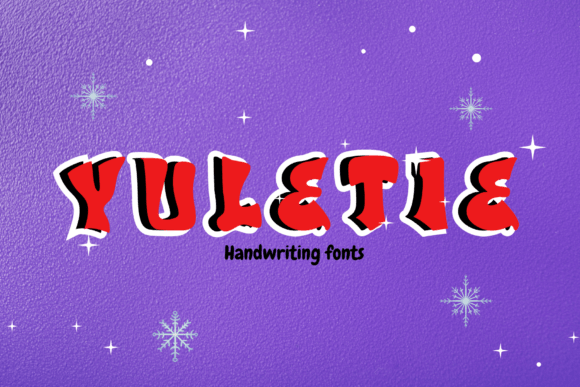
Yuletie stands out with its exaggerated forms and playful character shapes. Unlike minimalist or serif fonts that convey tradition or formality, Yuletie leans into a more expressive, almost whimsical style. This makes it ideal for brands aiming to project creativity, youthfulness, or a sense of approachable boldness. The font includes uppercase letters, numbers, and punctuation, offering a complete set for diverse applications—from logos and product packaging to posters and digital watermarks.
Its cartoonish aesthetic may not suit every brand, but for those in entertainment, children's products, lifestyle branding, or creative industries, Yuletie offers a distinctive visual voice that can differentiate a brand in a saturated market.
When and Why to Use Yuletie Strategically
Typography should always serve a purpose beyond decoration. Yuletie becomes a strategic asset when integrated into a broader brand communication plan. Consider the following scenarios where Yuletie can add real value:
- Comic book lettering: Enhances visual storytelling with a dynamic, larger-than-life feel.
- Logo design: Creates memorable brand marks with strong visual impact, especially for startups or niche brands.
- Product packaging: Draws attention on shelves with bold, distinctive text that stands out.
- Marketing materials: Supports themed campaigns or seasonal promotions with a fun, engaging tone.
These use cases highlight how Yuletie can support creative goals when aligned with brand personality and audience expectations.
Planning for Effective Use of Yuletie
Integrating Yuletie into your design toolkit requires thoughtful planning. Begin by assessing how it aligns with your brand identity and messaging goals. Ask:
- Does the tone of Yuletie match our brand personality?
- Will this font enhance readability or distract from key messages?
- Are we using it consistently across relevant touchpoints?
- Have we tested it in different applications (print, digital, small vs. large format)?
Strategic typography is not just about selecting a font; it's about ensuring it supports your communication objectives and enhances the user experience.
Designing with Intention: How to Approach Yuletie
Many brands fall into the trap of using expressive fonts like Yuletie without considering the broader design context. To avoid this, treat Yuletie as a design element that needs balance and purpose:
- Pair it wisely: Use Yuletie for headlines or accents and pair it with more neutral fonts for body text to maintain readability.
- Limit its use: Overuse can dilute its impact. Reserve it for moments where visual emphasis is needed.
- Test across platforms: Ensure legibility on mobile screens, print materials, and signage before committing.
- Align with brand guidelines: Include usage rules in your brand manual to maintain consistency across teams and applications.
These practices help ensure Yuletie contributes to your design strategy rather than becoming a stylistic distraction.
Long-Term Value and Brand Consistency
While trends come and go, effective branding is built on consistency and intentionality. Yuletie, when used strategically, can become part of a brand’s visual identity system. However, it’s essential to evaluate its long-term relevance. Ask whether the tone and personality it conveys will remain aligned with your brand as it evolves.
Consider how brands like Coca-Cola or Disney use distinctive typography to reinforce their identity over decades. Yuletie may not be suitable for every brand’s long-term vision, but for those where it fits, it can become a recognizable and memorable design element.
Potential Risks of Misuse
Expressive fonts carry the risk of being overused or applied without strategic intent. Using Yuletie without considering context, audience, or message can lead to:
- Reduced readability: Especially in small sizes or low-contrast environments.
- Brand misalignment: If the font’s tone doesn’t match the brand’s personality or values.
- Visual clutter: When used excessively across multiple design elements.
- Inconsistent application: Without clear guidelines, different teams or vendors may use it inconsistently.
To mitigate these risks, always approach Yuletie with a clear design brief and brand strategy in mind.
Real-World Applications and Inspiration
Looking at real-world examples helps contextualize Yuletie’s potential. Consider how a comic book publisher might use it to create bold, engaging covers that immediately communicate tone and genre. Or how a beverage brand might incorporate it into limited-edition packaging to evoke a sense of fun and excitement.
Even in educational or nonprofit contexts, Yuletie can be used effectively in promotional materials for children's programs or community events where a lighthearted tone is appropriate. These applications demonstrate how Yuletie can support creativity and communication when used with purpose.
Making the Right Design Decision
Ultimately, the choice to use Yuletie should stem from a well-defined design strategy. It’s not about jumping on a trend but making a deliberate decision that enhances your brand’s visual language. Consider the following before integrating Yuletie into your design assets:
- What message are we trying to convey?
- Who is our target audience, and how will they interpret this style?
- Do we have the design expertise to use it effectively?
- Have we tested alternatives to ensure this is the best choice?
By answering these questions honestly, you can ensure that your use of Yuletie adds strategic value rather than visual noise.