Laugh Tales: A Unique Typeface for Halloween and Horror-Themed Designs
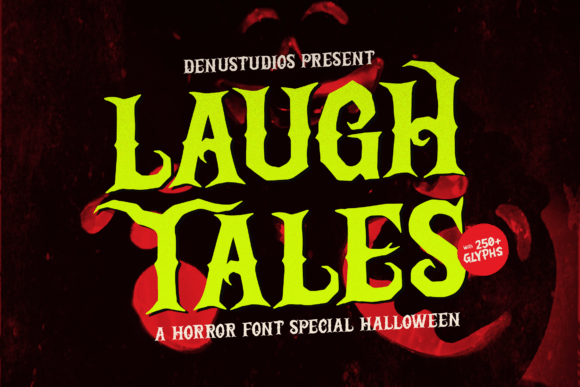
Typography plays a crucial role in visual communication, especially when it comes to setting the tone for a design. For projects that require a dark, eerie atmosphere—such as Halloween posters, horror movie titles, or haunted branding—Laugh Tales emerges as a compelling option. Designed by Denustudios, this font is specifically crafted to evoke the unsettling charm of vintage horror and cryptic storytelling. Its jagged, distorted letterforms deliver a sinister aesthetic that aligns perfectly with spooky and macabre themes.
What Sets Laugh Tales Apart
Unlike standard display fonts, Laugh Tales doesn’t aim for readability or elegance. Instead, it leans into the grotesque and the theatrical. The font’s uneven baselines, sharp edges, and irregular spacing create a sense of visual disorientation that enhances its horror-inspired appeal. This deliberate distortion mimics the chaotic handwriting often seen in classic horror comics and vintage thrillers, making it ideal for projects that require an unsettling visual tone.
One of the key features that differentiate Laugh Tales from many other horror-themed fonts is its depth of character support. With over 250 glyphs, it includes alternate characters and multilingual support, offering greater flexibility for international use or more complex typographic arrangements. This makes it a more robust option than simpler, single-purpose fonts that may lack the versatility for broader design applications.
Comparing Laugh Tales to Similar Fonts
When evaluating horror-themed fonts, designers often consider a range of options—from grunge-style typefaces to blood-splatter fonts or even minimalist horror-inspired sans serifs. Each category serves a different purpose, and the choice largely depends on the intended mood and application.
- Grunge-style fonts often feature rough textures and weathered edges, giving a more chaotic and industrial feel. These may work better for punk-inspired or edgy branding but lack the theatrical horror vibe of Laugh Tales.
- Blood or splatter fonts are highly stylized, mimicking bloodstains or dripping ink. While visually striking, they can be overly literal and may not offer the same level of typographic versatility as Laugh Tales.
- Minimalist horror fonts take a subtler approach, using thin lines and negative space to evoke dread. These are often used in modern horror branding but may not deliver the vintage, campy feel that Laugh Tales provides.
When Laugh Tales Excels
Laugh Tales shines in projects where a vintage horror aesthetic is desired. Its design is particularly effective in the following scenarios:
- Halloween posters and flyers – The jagged letterforms immediately evoke a sense of spooky fun, making it a great choice for haunted house promotions or seasonal events.
- Comic book covers and horror-themed illustrations – The font’s dramatic distortion helps establish a strong visual tone, especially for stories with a classic or campy horror angle.
- Spooky branding and merchandise – Whether for themed cafes, Halloween apparel, or novelty products, Laugh Tales adds a distinctive personality that stands out in visual branding.
In these cases, the font’s exaggerated features contribute to a cohesive and immersive design experience, reinforcing the thematic elements of the project.
Tradeoffs and Limitations
While Laugh Tales offers a strong visual identity, it’s important to recognize its limitations. Due to its distorted nature, it is not suitable for long-form text or applications requiring legibility. Even at larger sizes, some characters may become difficult to distinguish, especially in all caps or in complex compositions.
Additionally, because of its strong stylistic identity, Laugh Tales may not be appropriate for more modern or subtle horror branding. For example, a sleek psychological thriller poster may benefit more from a minimalist or sans-serif horror font than from the overtly jagged aesthetic of Laugh Tales.
Designers should also consider licensing and technical support when using Laugh Tales. As with any specialty font, ensuring compatibility across platforms and applications is essential, especially when working with alternate characters or multilingual text.
Alternative Approaches and When to Consider Them
For projects that require a similar but more restrained aesthetic, designers might explore fonts that blend horror elements with cleaner structures. Some alternatives offer a more readable yet still eerie appearance, which can be useful for mixed-use designs or when a slightly subtler tone is desired.
Another alternative is to combine Laugh Tales with a more neutral font to create visual contrast. For instance, using it for a headline while pairing it with a clean sans serif for body text can help maintain readability while still conveying the intended spooky atmosphere.
In cases where a more contemporary horror tone is needed—such as in modern thriller branding or minimalist horror posters—designers may find that simpler, more abstract fonts offer a better fit. These fonts often rely on negative space, thin strokes, or unusual spacing to evoke tension without overt stylistic exaggeration.
Final Thoughts: Is Laugh Tales Right for Your Project?
Laugh Tales is a well-crafted font that delivers a strong, recognizable aesthetic suited for Halloween and horror-themed designs. Its jagged, distorted letterforms and vintage horror inspiration make it a standout option for designers seeking to evoke a campy, eerie atmosphere. However, its effectiveness depends heavily on the context and visual goals of the project.
If your design calls for a bold, theatrical horror style—especially for Halloween promotions, comic covers, or themed branding—Laugh Tales is a strong contender. But if your project leans toward modern minimalism or requires extensive readability, you may want to explore other options that better align with those needs.
Ultimately, choosing the right font involves balancing visual impact with functional requirements. Laugh Tales offers a unique and compelling choice for the right application, but like any design tool, it works best when used thoughtfully and in alignment with the overall creative vision.